
The Nature of Luck in Gambling
Luck is often seen as one of the most significant factors in gambling, especially in games that rely heavily on chance. For example, in games like slots or roulette, the outcomes are determined by random number generators or the spin of a wheel. This randomness illustrates how luck plays a pivotal role in these games. Many players are drawn to platforms that offer great odds and features, such as an instant withdrawal casino uk , where a player might bet a small amount and hit a life-changing jackpot, completely based on luck, showcasing how unpredictable fortune can dramatically shift one’s gambling experience.
Moreover, the unpredictability of luck keeps players engaged and eager to return. A player may enjoy a fantastic winning streak one day and experience losses the next, highlighting the capricious nature of chance. This dynamic creates an exciting atmosphere in casinos, designed to attract individuals who thrive on the thrill of possibility. Such experiences underscore that luck can lead to unexpectedly significant rewards, reinforcing the allure of gambling.
However, the impact of luck goes beyond mere chance occurrences. Many players hold onto beliefs surrounding ‘lucky numbers’ or specific rituals, convincing themselves that these practices can influence their luck. While these rituals may offer psychological comfort, they also expose the volatile relationship between luck and gambling. Ultimately, while luck is undeniably a crucial factor, it operates within a broader context that includes both skill and strategy, making it essential to understand this interaction for a more rounded perspective on gaming success.
The Importance of Skill in Strategy Games
In contrast to luck-driven games, skill-based games like poker and blackjack highlight how players can leverage their knowledge and experience to boost their chances of winning. For instance, in poker, mastering the art of bluffing and understanding an opponent’s behavior can significantly tilt the odds in favor of a seasoned player. A skilled player’s ability to read opponents’ tells or calculate pot odds showcases how strategic thinking can often outweigh the element of chance in these games.
Similarly, in blackjack, players who use strategies such as card counting can gain a statistical advantage over the house. Although this strategy is not foolproof, it requires discipline, practice, and a solid understanding of probability, thereby underscoring the vital role skill plays in gambling. Players who invest time in refining their strategies and understanding the intricacies of their chosen games often find greater success than those who rely solely on luck.

Nevertheless, it’s crucial to recognize that even in skill-based games, luck is never entirely absent. A skilled player might encounter unfavorable hands or experience bad beats, reminding us that while skill can enhance success, it doesn’t guarantee it. Understanding the interplay between luck and skill is paramount for players who aspire to navigate the complex landscape of casino gaming effectively, as it allows them to approach their game with a balanced mindset.
The Psychology of Betting: Luck vs. Skill
The psychological dimensions of gambling intertwine closely with perceptions of luck and skill. Many players are drawn to the excitement of risk-taking, often believing that luck can be influenced by their mindset or attitude. This belief can sometimes lead to overconfidence, with individuals assuming they can outsmart the game, which may result in significant losses. Conversely, recognizing the limitations of luck can encourage a more strategic approach, prompting players to refine their skills and embrace discipline in their betting practices.
Moreover, the concept of ‘loss aversion’ pervades gambling psychology. Players may continue betting in hopes of recovering losses, often relying on the hope that luck will eventually turn in their favor. This behavior illustrates how the psychological belief in luck can overshadow the necessity for skill and strategy, leading to poor decision-making. By understanding these psychological cues, players can make more informed choices, balancing their reliance on luck with a grounded approach to skill development.
Emotional responses to wins and losses significantly impact a player’s gambling experience. A streak of bad luck can lead to frustration or despair, while a substantial win can produce a rush of excitement, potentially resulting in impulsive betting behaviors. Being aware of these emotional influences can help players cultivate a balanced approach that respects both the luck and skill components of casino gaming, empowering them to navigate their experiences more effectively.
The House Edge: Balancing Luck and Skill
Every casino game is designed with a built-in advantage for the house, known as the house edge, which fundamentally alters the luck versus skill dynamic. This edge varies from game to game and heavily impacts the probability of long-term success for players. Understanding the house edge is crucial, as it highlights the role that inherent luck plays across different games. For instance, games with a high house edge primarily emphasize luck, while those with a lower edge often permit more room for strategic play.
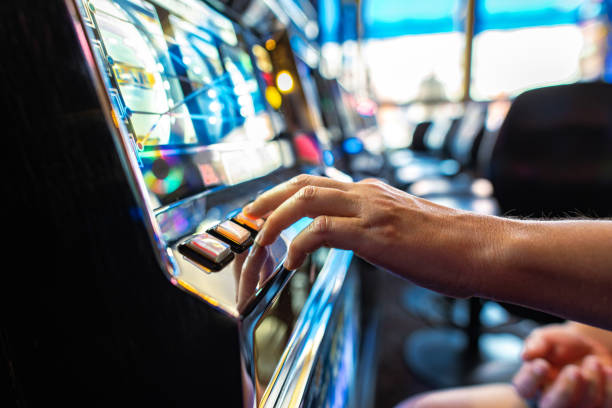
In games such as slots or roulette, the house edge is consistently high, meaning that players are more likely to incur losses over time, regardless of their perceived skill or luck. Conversely, games like baccarat or poker provide players with opportunities to apply strategies and tactics, which can yield better outcomes over extended play. This distinction underscores the importance of choice in the types of games that players engage with, emphasizing how informed decisions can lead to a more favorable gambling experience.
Furthermore, players who understand the intricacies of their chosen games are better equipped to navigate the complex interplay of luck and skill. By selecting games with a lower house edge and incorporating skillful strategies, players can increase their chances of success, demonstrating that knowledge is a powerful ally in balancing luck and skill in the casino environment. This informed approach not only enhances a player’s experience but also cultivates a deeper appreciation for the nuances of gambling.
The Future of Gambling: Trends and Insights
As the gambling landscape continues to evolve, the dynamic between luck and skill becomes increasingly relevant. Innovations in technology, such as online gaming and mobile applications, have transformed how players engage with casino games. These changes have led to a greater emphasis on skill development, as players can now access a wealth of resources and training tools to improve their gaming strategies. This access allows players to refine their skills in ways that were not previously possible.
Moreover, the rise of live dealer games blends the excitement of real-time gameplay with the convenience of online platforms, underscoring the importance of skill while still incorporating the element of luck. Players can interact with skilled dealers and other participants, enhancing the social aspect of gaming while honing their skills in a live setting. This transition reflects a shift in player preferences toward a blend of both luck and skill, creating a more engaging and interactive gambling experience.
As regulations around gambling continue to change globally, players are becoming more educated about the games they play. This increased awareness is driving a more strategic approach to gambling, wherein players are more likely to appreciate the nuances of skill versus luck. As the landscape transforms, the future of gambling will likely emphasize skilled play even more, highlighting the need for players to adapt and refine their strategies to succeed in a competitive environment.
